

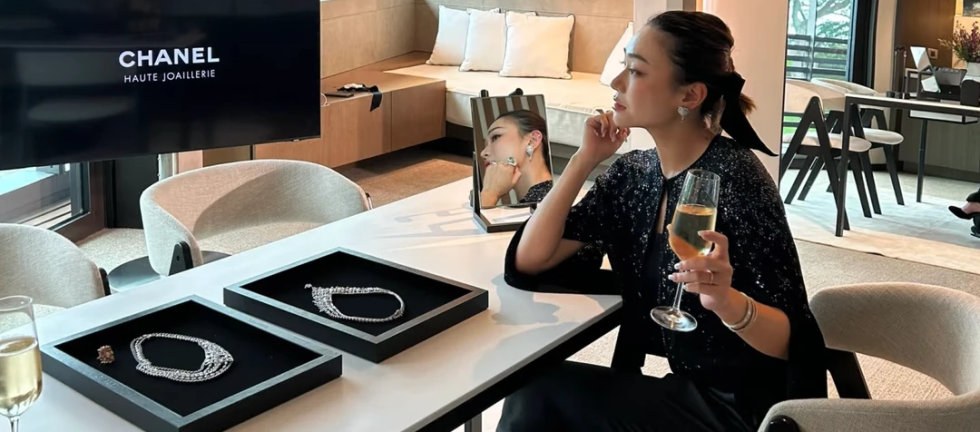
As aspirational shoppers pull back, brands are doubling down on their wealthiest clients. But in China, exclusivity can quickly turn into pressure.
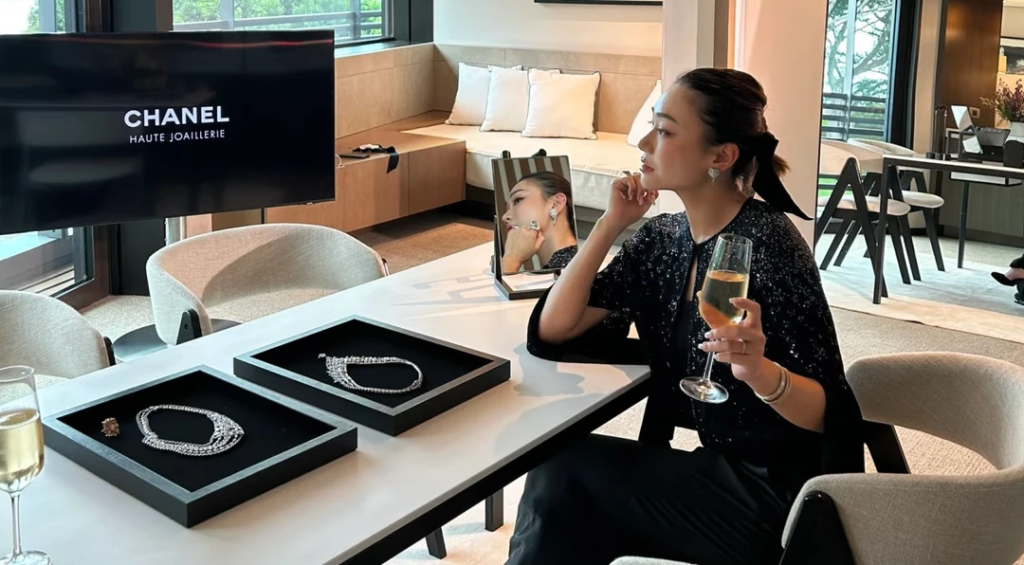
As aspirational shoppers pull back, brands are doubling down on their wealthiest clients. But in China, exclusivity can quickly curdle into pressure. Image: Xiaohongshu
A Jiangxi-based Xiaohongshu user posting under the handle @don’taskwhoamI recently shared her verdict on an Clé de Peau Beauté event: it should not be called a beauty gathering, she wrote, but a “sales gathering.”
The spa itself was comfortable, she wrote. The problem began afterward. Once tea and snacks were served, three sales associates allegedly surrounded her and pushed products aggressively. Another attendee, she said, felt equally uncomfortable. A promise that a professional photographer would send over event photos also went unfulfilled. “If CPB can’t afford to host events,” she wrote, “then don’t host them.”
For luxury brands in China, the post captures a growing tension. The industry has entered the age of the VIC, or Very Important Client. As middle-class and aspirational consumers spend more cautiously, the wealthiest shoppers remain the most reliable source of revenue. Bain estimates that VICs, just over 2% of the luxury customer base, now account for 45% of global luxury purchases, up from 35% in 2021. BCG and Altagamma’s 2025 study found that the top 0.1% of luxury consumers generated more than 23% of market spend in 2024 excluding luxury mobility and wellness, and 37% including them.
In China, that dependence is becoming more visible. VIC salons, private dinners, high jewelry previews, cultural retreats and invitation-only beauty events are multiplying across the country. Kering’s April 2026 Capital Markets Day, centered on its “ReconKering” plan, underlined client-centricity and execution discipline as pillars of its turnaround.
The question is no longer whether luxury brands should court China’s top spenders. They must. The harder question is whether they are doing it in a way that builds loyalty, or simply extracts revenue.
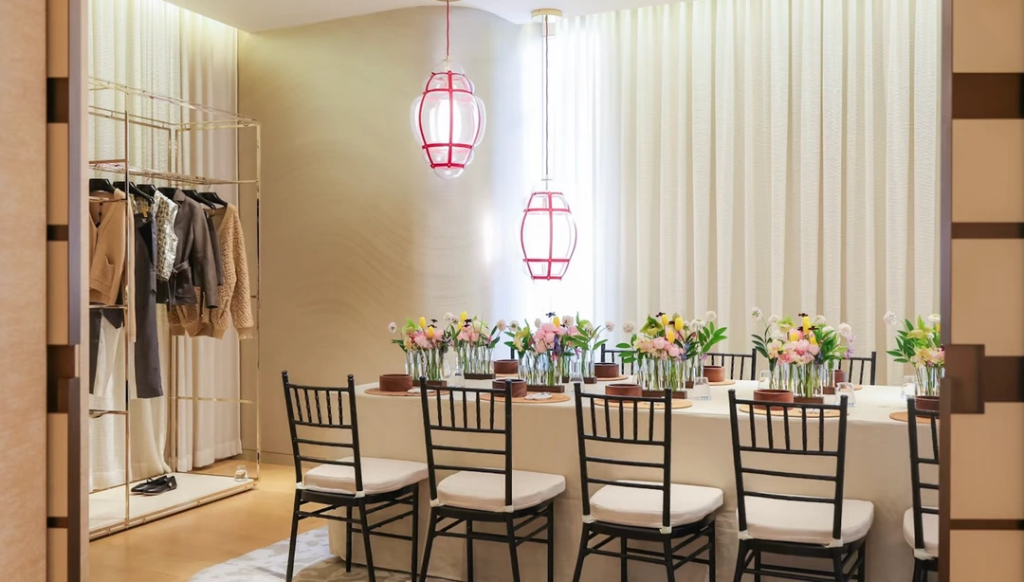
An in-store VIC event by Loro Piana. Image: Xiaohongshu
“My view is that the shift toward VICs in China is rational, but it can easily become strategically dangerous if brands confuse short-term revenue protection with long-term brand building,” says Jacques Roizen, an independent China market advisor for global consumer brands.
While the ultra-wealthy keep spending, aspirational clients are pulling back #
That danger is sharpened by China’s post-boom luxury landscape. Consumers are more selective and increasingly focused on quality, exclusivity and experience, while aspirational demand has softened.
Laura Pan, tenured lecturer at Bocconi University, sees the VIC pivot as a direct response to slowing volume growth. “China is seeing a significant slowdown in the volume of luxury goods sales,” she says. “This has mainly contributed to the aspirational consumers turning away from luxury brands due to its price point and lack of creativity. And the only customers who did not slow down as much were the VICs.”
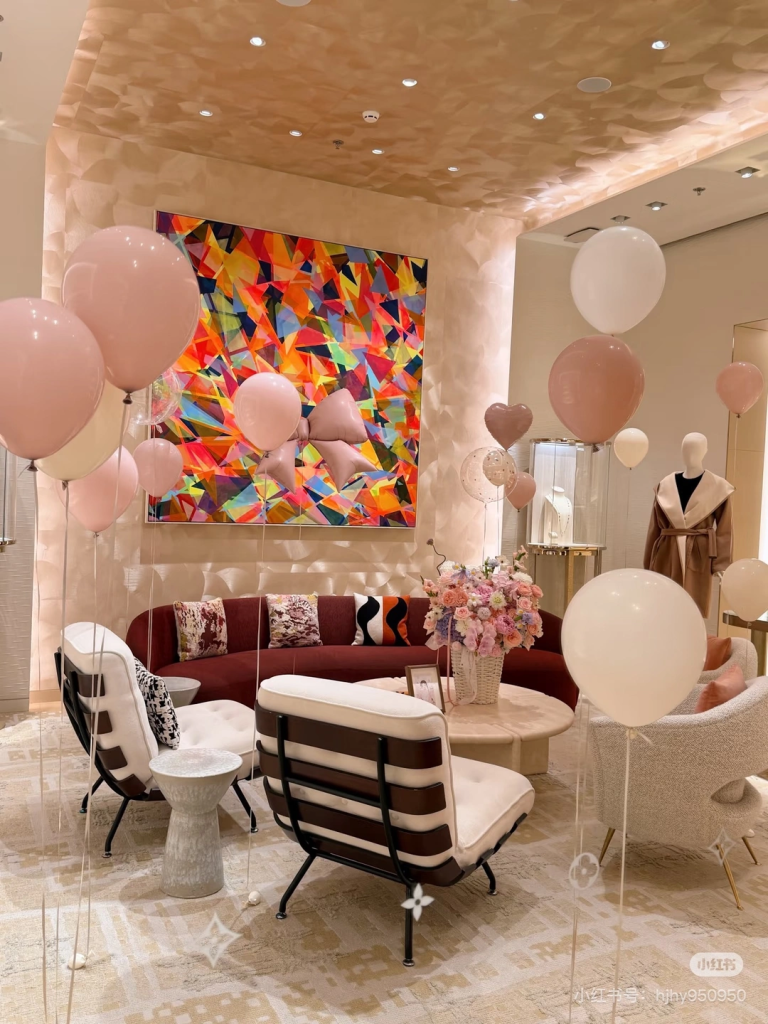
Louis Vuitton’s private room for VIC customers. Image: Xiaohongshu
Amrita Banta, managing director at Agility Research and Strategy, agrees that the shift is rational. “Many middle-class consumers in China are spending carefully now due to the real estate-driven wealth effect which has softened, and there is income uncertainty,” she says. “However, very wealthy clients are still buying. VICs contribute 40% to 70% of revenue for many luxury brands in China.”
But Banta warns that brands cannot afford to abandon the broader base. “The risk is that brands may ignore aspirational consumers who still matter because they help keep the brand desirable and culturally relevant,” she says.
When exclusivity crosses into pressure #
That is the paradox of China’s VIC race. The smaller the customer base becomes, the more brands chase those still spending. Yet the harder brands chase, the more visible the pressure becomes.
Pan says some Chinese VICs have become increasingly alert to the commercial agenda behind brand hospitality. Around fashion week invitations, she says, certain clients understand that the trip often comes with an expectation to buy. Some may even avoid attending to preserve relationships with multiple houses, especially if one brand cannot match the lavish treatment offered by another.
The new Chinese VIC is not easily flattered. They are globally exposed, digitally informed and often surrounded by competing options.
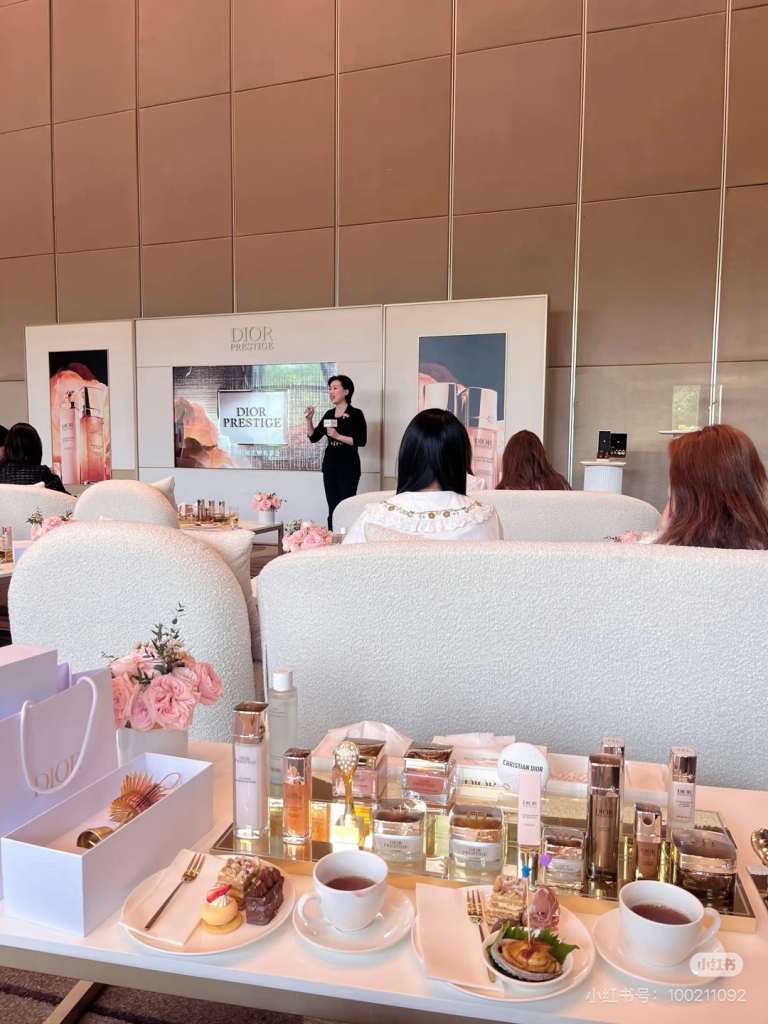
Dior Beauty VIC event in China. Image: Xiaohongshu
“Chinese VICs are extremely sophisticated and highly sensitive to inconsistency,” Roizen says. “What they want is not just attention or access, but coherence. They expect the brand to deliver a consistent story across product, service, pricing and experience.”
That coherence is often where brands stumble. A private salon loses power if the product feels derivative. A cultural dinner feels hollow if the invitation hierarchy is opaque. A beauty event becomes damaging if pampering turns into hard selling.
“Chinese VICs are not reacting against exclusivity — they are reacting against manipulation,” Roizen says. “The difference is whether the brand is creating desire or engineering transactions.”
Beyond private salons, VICs are seeking cultural depth #
The rise of VIC spaces across China reflects how urgently brands are trying to create controlled environments for top clients. Chanel, Dior, Louis Vuitton, Loro Piana, Balenciaga, Schiaparelli, Cartier and others have all expanded private salons, dedicated lounges or VIC service areas in key Chinese cities. These spaces promise privacy, early access, high-touch service and a more complete brand universe.
Yet salons alone are no longer differentiating. As Roizen says: “Every major brand now offers private spaces, curated events and controlled environments. The format has become standardized. What matters is what happens inside the space.”
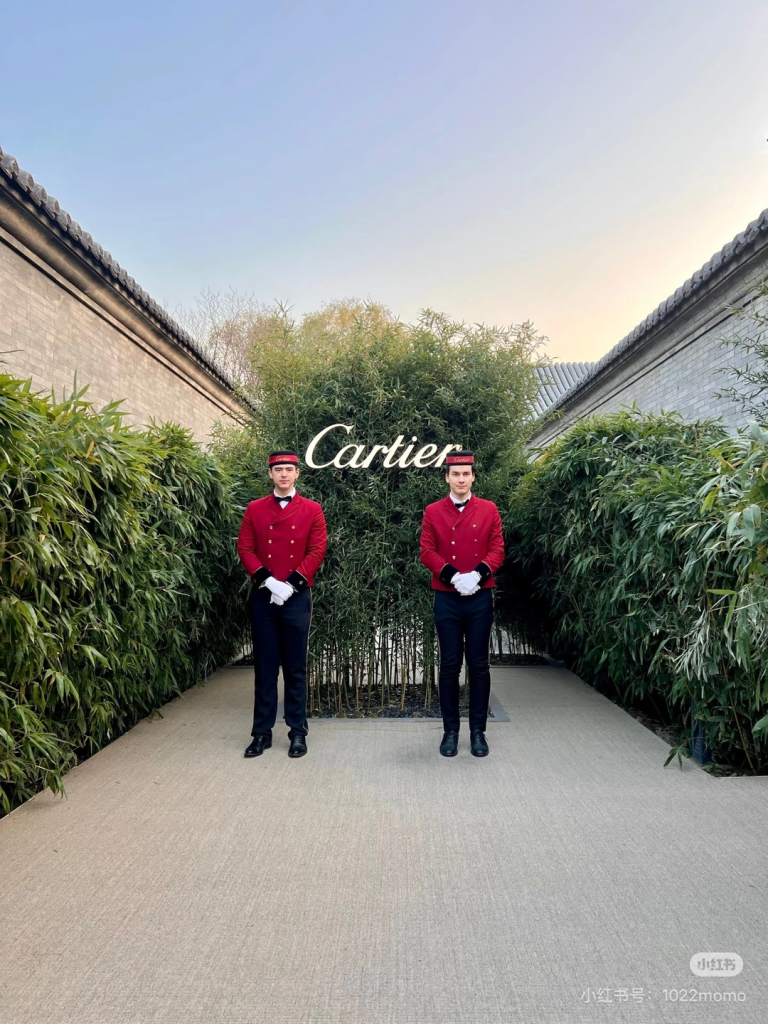
A VIC event by Cartier. Image: Xiaohongshu
That “inside” is where China differs from older luxury markets. Pan says that top Chinese clients do not necessarily seek the silent, back-door privacy associated with Japanese luxury service. Many want impeccable, lively, highly attentive hospitality often involving friends, shopping companions and a sense of social energy.
They also increasingly expect cultural depth. Pan points to Loro Piana’s Jiangnan-style events, Fendi’s “Domus Fendi” activation in Jingdezhen and Dior’s high jewelry events in Suzhou as examples of brands moving beyond the four tier-one cities to engage Chinese heritage locations.
“Luxury brands are purposely choosing cultural heritage locations that are outside of the four tier-one cities to express their appreciation for Chinese culture and heritage,” Pan says.
That shift matters. In a market where WeChat clienteling and social commerce can bring products directly to the consumer, a store visit needs a stronger reason to exist. Product access is no longer enough; neither is champagne. The visit must feel like a world worth entering.
As experience saturates, product credibility becomes decisive #
Still, experience cannot compensate for weak products. The best VIC strategy, Banta says, is “strong product first, meaningful experience second.” Generic dinners and big VIP events have lost power because clients have already seen them. What works better are private atelier visits, art-led events, high jewelry previews and cultural experiences that connect naturally to the brand.
Roizen is more direct: “Experiences can elevate luxury, but they cannot replace it. In China today, product credibility is what makes the relationship sustainable.”
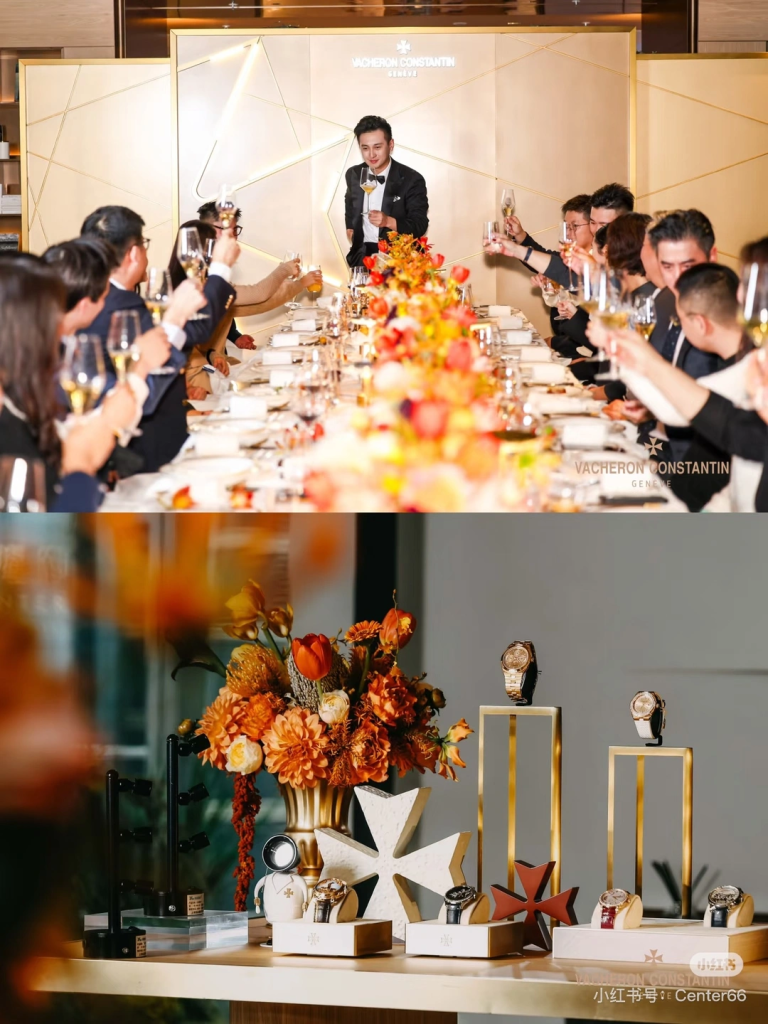
Vacheron Constantin VIC dinner and product display. Image: Xiaohongshu
This is a critical point as luxury houses raise prices and lean on scarcity. Chinese VICs may still want rare handbags, high jewelry and couture-level service, but they are also more rational than before. Pan says the heat around investment-value products has cooled after waves of demand for Hermès bags, Chanel flaps and gold. Today’s wealthy Chinese consumers are increasingly spending on self-betterment, wellness, hotels, sports and personalized experiences.
They want to feel recognized, not processed. Banta says many VICs no longer seek obvious status. They prefer “if you know, you know” signals: privacy, early access, cultural belonging, meaningful private events and products that hold value. “But the most important point is this: they want to feel respected and recognised, not just sold to,” she says.
Rethinking how luxury sells #
That requires a structural reset. Pan says that inflated sales targets are pushing pressure down to store teams and, ultimately, onto clients. “The aggressive sales pressure cannot be resolved only by the sales target alone, but a collective of the entire brand strategy,” she says. Better product, stronger quality, service consistency, retained sales staff and more realistic targets all matter.
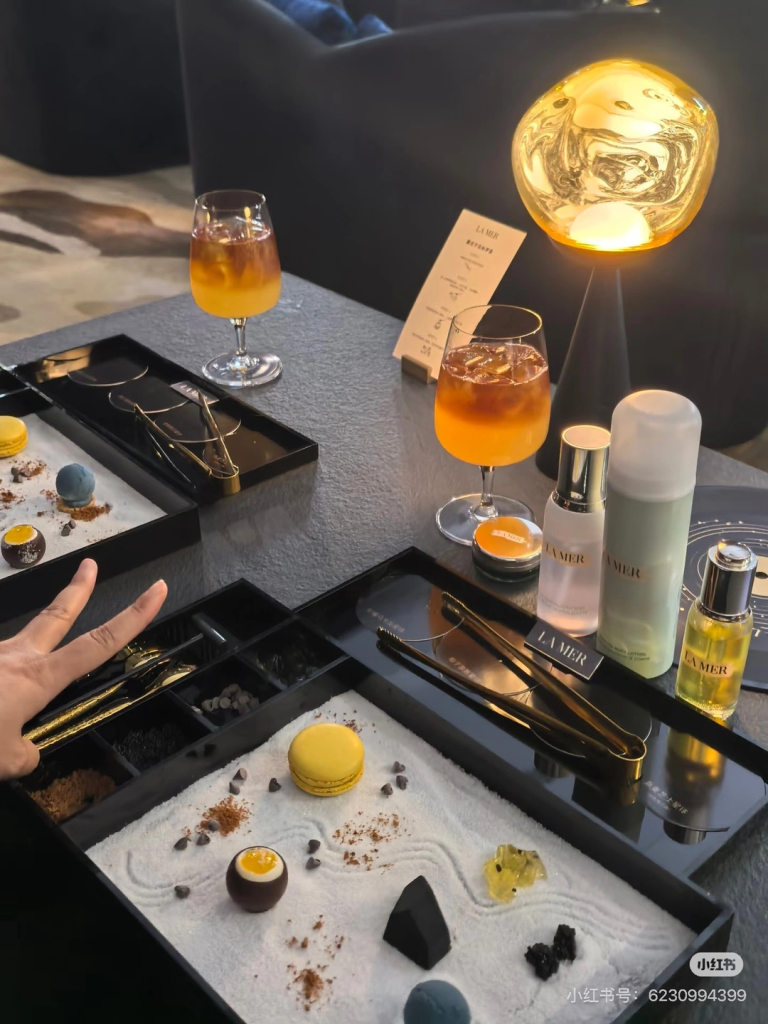
A VIC afternoon tea by La Mer. Image: Xiaohongshu
Banta suggests brands restructure compensation and KPIs, rewarding retention, referrals and relationship quality rather than only short-term spending. Sales associates should become lifestyle curators, she says, with knowledge of art, culture and client interests beyond products.
The CPB Xiaohongshu complaint shows what happens when the opposite occurs. A supposedly exclusive experience becomes a conversion funnel. The client leaves not feeling privileged, but cornered.
Credibility over exclusivity #
For China’s luxury market, the risk is not that brands are focusing on VICs. The risk is that they are reducing VIC strategy to a more expensive form of sales pressure.
VICs can stabilize revenue through a downturn. They can also amplify brand credibility when treated well. But they cannot replace the cultural energy once supplied by aspirational consumers, nor can they forgive endless inconsistency. The smartest houses will not choose between top clients and future clients. They will use VIC strategy to rebuild the very things luxury has weakened in recent years: product authority, emotional intelligence, craft credibility and trust.
As Roizen says, “A successful China VIC strategy is not about becoming more exclusive — it is about becoming more credible.”
“Is luxury courting China’s VICs the right way?” courtesy of Lisa Nan in Jing Daily (April 29, 2026). © 2026 Jing Daily. All rights reserved.