

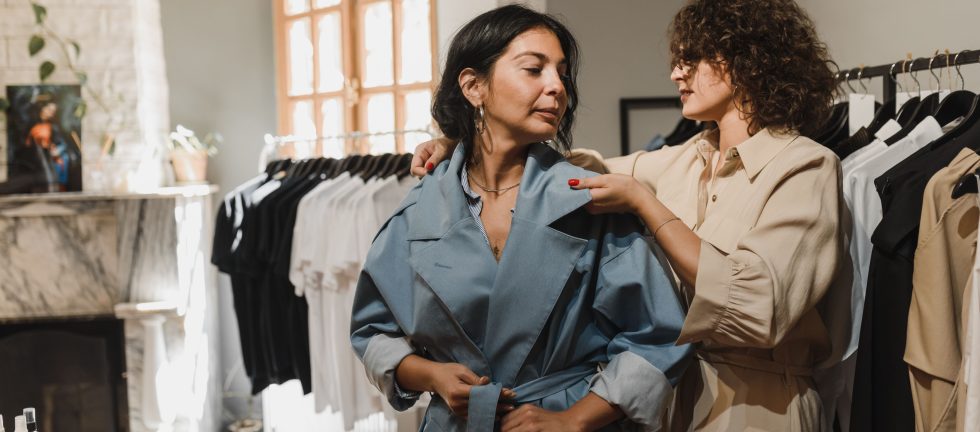
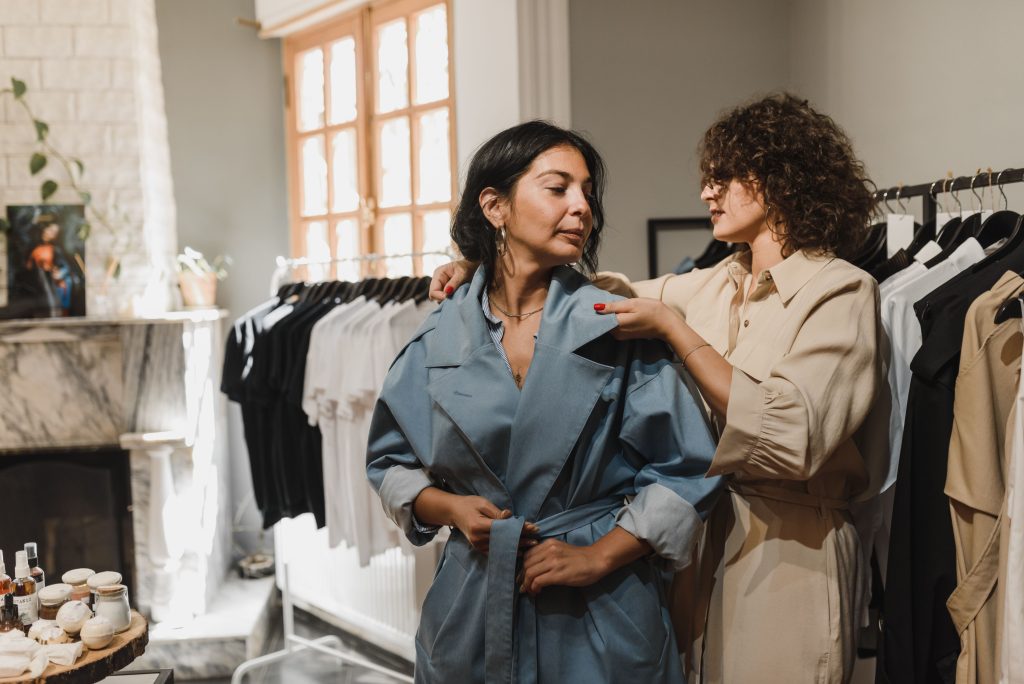
Four in five affluent and high net worth respondents across nine markets have an ongoing relationship with a named sales associate, and almost all of them put it near the top of the scale for importance to what they buy. Those are also the clients most likely to say their last interaction with the brand was hard work.
Open any luxury clienteling report and the number at the top is coverage: how many clients have a named associate, against how many should. In Wave 1 2026 of AFFLUENTIAL TrendLens™, that number sits close to its ceiling.
80% of affluent and high net worth respondents across nine markets have an ongoing personal relationship with a dedicated sales associate, personal stylist, or brand advisor at a luxury brand. Ask those 4,665 respondents what the relationship is worth, and 92% put it at four or five out of five for importance to what they buy.
Only 6% of respondents actively prefer no dedicated contact, and another 14% have no such relationship and would value one, so there is headroom left. Not much.
The coverage report therefore reads well. An effort report, if a maison kept one, would not.
The algorithm is welcome, and it is not making the introductions
The technology has all the room it needs. 79% of affluent and high net worth respondents agree or strongly agree that they are comfortable with AI being used to personalize their luxury experience, and 90% used at least one AI or digital tool in their most recent purchase in their main luxury category, counting product recommendations, virtual try-on, a chat bot or AI concierge, an AI-curated look-book, personalized app offers, social media algorithms, social-platform checkout, and AI trip planning.
Nor are the two competing for the same client. Respondents with a named associate are more comfortable with AI personalization than respondents without one, 82% against 63%.
Discovery is a different job, and AI is barely doing it. Only 4% of respondents first became aware of a new luxury brand through an AI recommendation or personalized algorithm.
Its work sits later, at the point where the field narrows. 27% of respondents used an AI tool or algorithm recommendation to narrow their choice on their most recent significant luxury purchase, and 25% relied primarily on the advice of a sales associate or personal stylist on the same purchase.
Two routes into the same decision, running at about the same size. The shortlist can arrive from an algorithm and the decision can be taken with a person, which puts the weight of the question on what the person does when the client reaches them.
The closest clients report the hardest experiences
Set that importance rating against what the same people said about their most recent interaction.
35% of respondents with a named associate described it as high or very high personal effort, meaning they had to work harder than they should have, or found the process a barrier. Among the 1,135 respondents with no such relationship, 21% said the same.
A gap of 14 percentage points, and it holds in eight of the nine markets measured. Japan is the only one where the two groups are level.
That friction is not driving these clients away.
67% of respondents with a named associate say they are likely to maintain or increase their spending with their main category brands over the next 12 months, against 59% of those without one. The relationship is producing both the spending and the frustration, from the same group of clients.
The figures cannot say which way this runs.
A client with a named associate may simply be a client who buys from more brands and asks for more complicated things, and complicated requests take more work to resolve. What the figures do rule out is the comfortable assumption that a client with a named associate is a client who has been well served.
Effort per client is the metric the coverage report hides
Coverage at 80% is a floor rather than a target, and a client experience lead can stop defending it.
The number worth building underneath it is how much work a client had to do to get what they wanted, tracked per client and per associate. In this sample that effort is highest among exactly the clients a brand is closest to.
For a retail or clienteling director, the question is what the associate is being asked to absorb.
When almost every client with a relationship rates it near the top for importance, a client who repeats their size or waits on a callback costs the brand twice: once in their own patience and once in the associate’s hours. Neither cost appears in a coverage report.
Brand and insight leads have a different temptation in these figures, which is to route the relationship through an AI concierge and call it personalization.
The preference data does not support that. Asked how they would prefer a brand to stay in touch after a purchase, 19% of respondents chose a dedicated one-to-one digital relationship over WhatsApp, WeChat, or an AI-assisted concierge, and that share was the same among respondents comfortable with AI personalization as among those who were not. Clients who are happy for an algorithm to read their taste are not asking for an algorithm to look after them.
A coverage report can say 80% while a client is in a store giving their size for the second time.
Until that effort is counted per client and per associate, the clients who invest the most in these relationships will keep having the hardest time with them.
Source note
AFFLUENTIAL TrendLens™, Agility Research & Strategy. Wave 1 2026, the only wave in which these measures were fielded. Affluent and high net worth respondents in China (n=1,000), Japan (n=816), the United States (n=815), the United Kingdom (n=669), Australia (n=500), France (n=500), India (n=500), Indonesia (n=500), and Thailand (n=500). Total n=5,800. Respondents holding a sales associate relationship, n=4,665; respondents without one, n=1,135.