

Collaborations have become one of the most powerful levers for luxury brands to stay relevant and maintain a strong emotional connection with their affluent clientele. In today’s market, legacy alone is no longer enough: what matters now is the ability to create distinctive, authentic, and culturally resonant experiences.
Over the past decade, collaborations have evolved from one-off experiments to a central pillar of luxury strategies. What was once the exception, a fashion capsule or an artistic residency, has now become an expectation, crossing fashion, hospitality, travel and even haute cuisine. This evolution reflects deeper transformations in the way affluent consumers today define the value, meaning and relevance of luxury.
These findings are based on the TrendLens™ 2026 study conducted by Agility Research & Strategy, a multi-market research program analyzing how affluent, HNW, and next-gen consumers are redefining their aspirations, values, and relationship with luxury brands globally. The study combines quantitative surveys and in-depth qualitative interviews conducted in key markets, with a focus on cultural relevance, emotional connection, and changing balance between status, experience, and self-expression.
1. Changing consumer expectations
Affluent consumers, especially Gen Z and Millennials, are increasingly looking for luxury that is perceived as new, personal, and emotionally engaging. The TrendLens™ 2026 study shows that young luxury audiences, digitally native and sensitive to sustainability issues, are less motivated by statutory signage than by meaning, creativity and shared values. Collaborations are a credible way for brands to demonstrate their relevance within this new value system.
2. The quest for cultural relevance
Collaborations allow brands to participate in contemporary cultural conversations and stay in the minds of consumers. By partnering with artists, designers, chefs, hoteliers or cultural institutions, the houses reinforce their positioning as cultural curators rather than entities solely focused on the product.
3. The need for differentiation
As the luxury market becomes denser, it becomes more difficult to differentiate oneself by the product alone. TrendLens™ 2026 indicates that a significant portion of affluent consumers are actively disengaging from brands perceived as generic or overexposed. Strategic collaborations allow for renewed brand narratives, reaffirming rarity, and creating new moments of desirability.
4. From Possession to Experience
Luxury has evolved from a logic of accumulating objects to the search for carefully orchestrated experiences. Over the past decade, collaborations have gone beyond one-off marketing activations to become true long-term strategic platforms, designed to deepen engagement, expand brand reach and deliver experiences at the heart of contemporary luxury.
An article by Amrita Banta, translated into French.
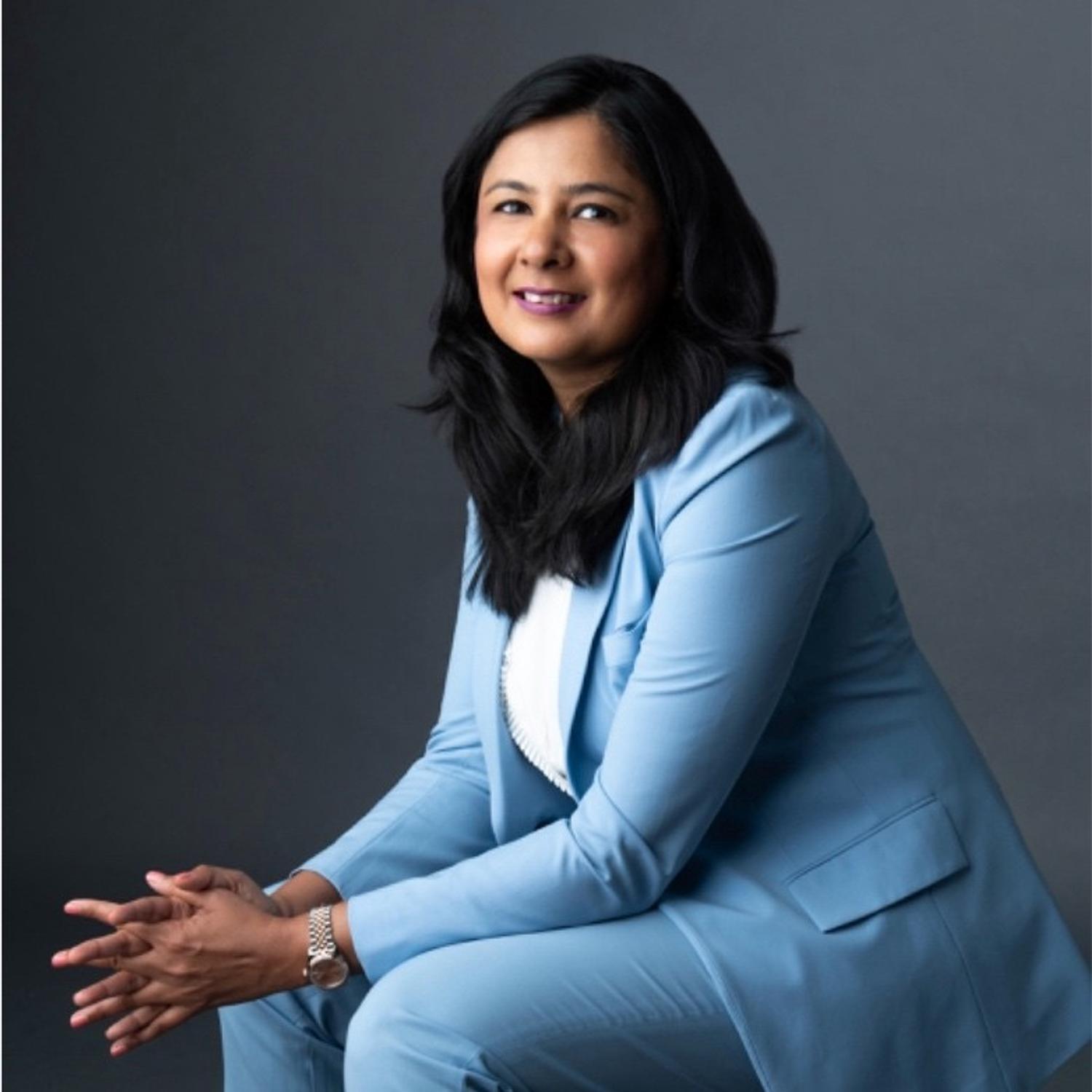
Amrita Banta is Managing Director of Agility Research & Strategy, one of the world’s leading luxury analytics firms. With more than 25 years of experience and more than 500 international consulting assignments, she supports major houses in understanding the behaviors and aspirations of affluent and HNW consumers in Asia, Europe and the United States. A speaker and recognized expert, she regularly speaks in major international luxury forums and her analyses are relayed by media such as BBC, CNBC or Bloomberg. A multi-award-winning Luxury Woman of the Year, she is one of the influential leaders shaping the evolution of the industry globally.
Article: Collaborations, the new norm of luxury: the rise of cross-sector partnerships
“Collaborations, the new norm of luxury: the rise of cross-sector partnerships” courtesy of Amrita Banta (February 13, 2026). © 2026 Journal Du Luxe. All rights reserved.